

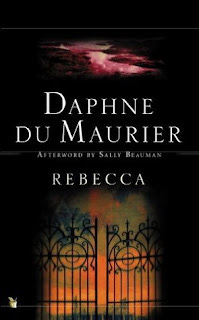
Rebecca
Daphne du Maurier, Sally Beauman (Afterword)
I used to have more patience for this kind of thing...
In John Steinbeck's novel Sweet Thursday there is a character writing a novel,
The book was going well. His hero had been born in a state of shock and nothing subsequent had reassured him. When a symbol wasn’t slapping him in the mouth, a myth was kicking his feet out from under him. It was a book of moods, of dank rooms with cryptic wallpaper, of pale odors, of decaying dreams.
That's what Daphne du Maurier's Rebecca is like. Most of the time I wanted to shout at du Maurier, "Would you stop being so frickin' artistic for a second and just SAY whatever the Heck it is you're trying to say?"*
Rebecca is also technically flawed. I don't like writing long negative reviews, so I will just remark that characterization is inconsistent and there is at least one giant plot hole.
This Virago Modern Classics edition ends with an Afterword by Sally Beauman in which she describes some of the symbols and myths that slap and kick poor Mrs de Winter about. She also makes it clear that anyone who considers Rebecca to be less than a masterpiece is motivated by sexism.
*To be fair to du Maurier, some of the things she was trying to say were things that a woman could not say in plaintext in 1938, so there's some excuse for her. Knowing that, unfortunately, does not make reading more enjoyable.